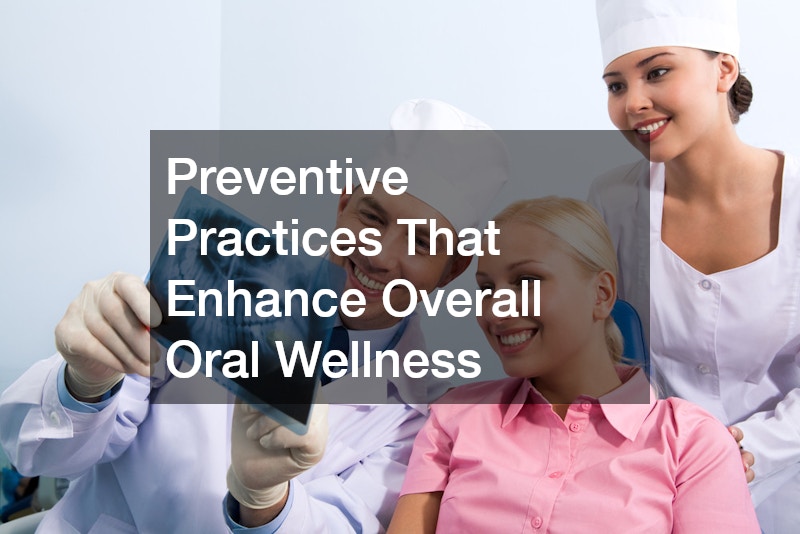
Oral health plays a critical role in overall well-being. Healthy teeth and gums are essential not only for eating and speaking comfortably but also for maintaining confidence in social and professional settings. Neglecting dental care can lead to a cascade of issues, ranging from cavities, gum inflammation, and bad breath to more serious conditions such as tooth loss or jawbone deterioration. Research also shows that poor oral health is linked to systemic health problems, including heart disease, diabetes, and respiratory infections, underscoring the importance of maintaining a strong, healthy mouth.
Fortunately, adopting preventive practices can help avoid these complications and preserve your smile for life. Preventive dental care goes beyond simply avoiding problems—it involves actively supporting the strength and health of your teeth, gums, and oral tissues. Simple habits, like brushing and flossing correctly, combined with regular professional care, can dramatically reduce the risk of decay, infection, and long-term damage, while also enhancing the overall appearance of your smile.
By incorporating both at-home routines and professional guidance, you can take control of your oral wellness in a proactive way. This article explores practical strategies for maintaining optimal oral health, including daily hygiene routines, mindful dietary choices, protective measures during activities, and timely professional interventions. These steps are designed to be actionable and accessible, helping readers integrate preventive practices into their daily lives.
Whether you are a long-time dental patient looking to reinforce good habits or someone seeking to improve their oral care routine for the first time, these strategies provide a comprehensive roadmap to proactive oral health. By following these approaches, you can not only prevent dental problems but also enjoy a more confident, healthier smile for years to come.
Develop a Consistent Brushing and Flossing Routine
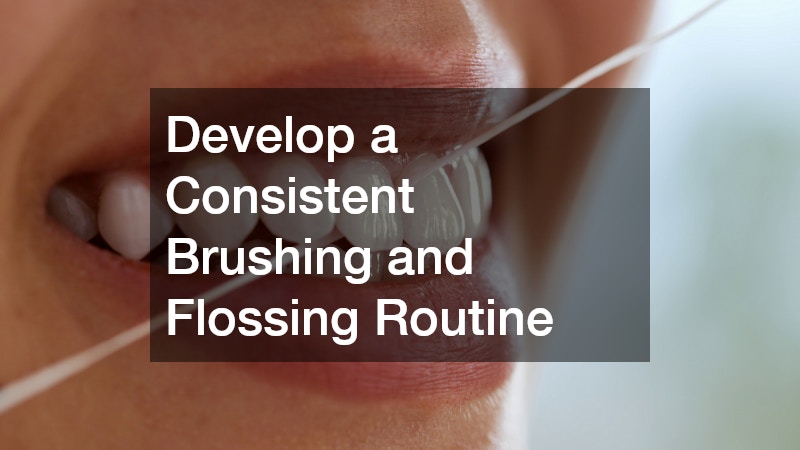
A strong oral hygiene foundation starts with consistent brushing and flossing. Many people underestimate the impact of proper technique, frequency, and timing, but these factors are essential to preventing plaque buildup, gum inflammation, and early decay.
Visiting a local dental office regularly can provide guidance on the most effective brushing methods and help identify areas commonly missed during home care. General dentistry practices often include educational sessions for patients, teaching proper techniques to maximize cleaning efficiency and prevent enamel erosion.
Actionable steps for effective brushing and flossing:
- Brush at least twice daily with a soft-bristled toothbrush and fluoride toothpaste.
- Replace your toothbrush every three to four months or when bristles fray.
- Floss at least once a day to remove plaque between teeth.
- Consider electric toothbrushes for consistent pressure and motion.
- Brush your tongue gently to remove bacteria and reduce odor.
Consistent brushing and flossing help maintain gum health, prevent cavities, and minimize the risk of periodontal disease. Patients who combine these habits with professional advice from a local dental office often experience fewer oral health problems and more long-term stability in their smiles.
Schedule Regular Check-Ups and Cleanings
Routine dental visits are critical to maintaining oral wellness. Professional cleanings and check-ups allow dental professionals to identify problems early, preventing small issues from escalating into more complex concerns.
Local dentistry providers emphasize the importance of regular examinations for detecting early signs of decay, gum disease, or other abnormalities. Local dental care teams provide personalized recommendations, including the frequency of cleanings, dietary advice, and at-home maintenance techniques.
Tips for maximizing the benefits of professional check-ups:
- Schedule cleanings every six months, or as recommended by your dentist.
- Bring questions about any discomfort, sensitivity, or changes in your mouth.
- Request a visual exam for potential enamel wear or discoloration.
- Ask for fluoride treatments or sealants if appropriate for your age and risk level.
- Track appointments to ensure consistency in preventive care.
Regular check-ups also provide opportunities for education. During visits, dental professionals can demonstrate proper brushing and flossing techniques, recommend products tailored to your needs, and identify potential risks before they develop into more significant problems.
Maintain a Healthy Diet for Strong Teeth
Your diet significantly affects oral health. Sugary and acidic foods increase the risk of cavities, while nutrient-rich foods strengthen enamel and support gum health. A balanced diet is a cornerstone of preventive oral care.
Cosmetic dentists often advise patients on foods that maintain a bright, healthy smile, while restorative dentists emphasize the structural impact of diet on teeth. Together, they highlight the role of nutrition in both appearance and functionality.
Tips for a tooth-friendly diet:
- Limit sugary snacks and beverages, including soda and candy.
- Consume foods rich in calcium, like dairy products, leafy greens, and almonds.
- Include vitamin C-rich fruits and vegetables to support gum health.
- Drink plenty of water to rinse away acids and food particles.
- Avoid chewing ice or hard candies that can chip teeth.
By adopting mindful eating habits, you can prevent decay, reduce enamel erosion, and minimize the need for future restorative procedures. Nutrition plays a significant role in maintaining a healthy smile alongside consistent dental hygiene practices.
Protect Your Teeth During Physical Activities
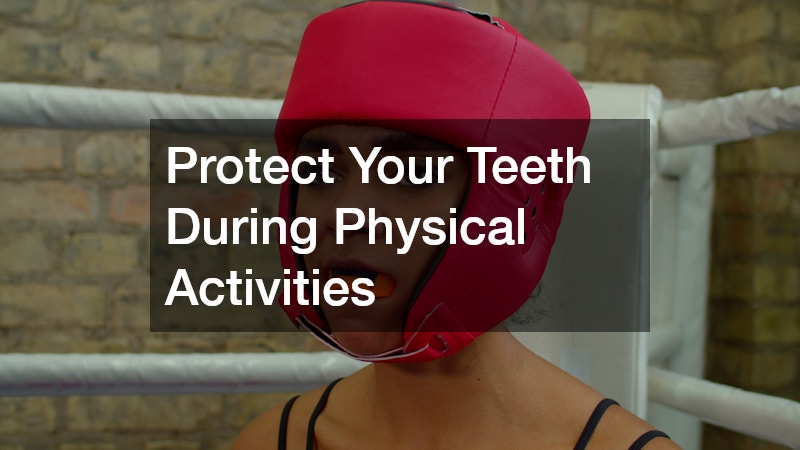
Dental trauma is a common but preventable problem. Sports injuries, accidental falls, and other impacts can result in chipped, cracked, or knocked-out teeth. Protecting your teeth during physical activities is essential for long-term oral health.
Dental implant services and specialty dental services often address injuries caused by accidents. Preventing these incidents is always preferable to corrective treatments, which can be costly and time-consuming.
Actionable strategies to prevent dental injuries:
- Wear properly fitted mouthguards during contact sports.
- Avoid using teeth to open bottles or chew hard objects.
- Use helmets or face guards in high-risk activities.
- Supervise children during active play to prevent accidental trauma.
- Schedule professional dental evaluations after any significant impact to identify hidden damage.
Taking preventive measures can protect both natural teeth and previous dental work. By investing in proper protective equipment, you reduce the likelihood of emergency dental visits and the need for implants or other restorative procedures.
Address Dental Issues Promptly
Even minor dental issues can escalate into serious problems if ignored. Tooth sensitivity, minor cracks, or small cavities require prompt attention to prevent more extensive treatment later.
Emergency dental services and local dental offices are vital resources for addressing sudden pain, injuries, or acute infections. Knowing when to seek professional help can prevent long-term damage and costly treatments.
Tips for timely intervention:
- Recognize early warning signs: pain, swelling, discoloration, or bleeding.
- Contact emergency dental services for sudden trauma, severe pain, or broken teeth.
- Schedule follow-up appointments for minor issues to prevent escalation.
- Maintain a list of trusted local dental offices for urgent care.
- Keep a basic dental care kit at home for temporary relief while awaiting professional attention.
Addressing issues promptly not only preserves oral health but also reduces the emotional and financial stress associated with emergency treatments. Early care helps maintain structural integrity and function of the teeth.
Optimize Oral Hygiene Tools and Equipment
The tools you use for at-home dental care directly impact your effectiveness. Proper storage, organization, and maintenance of your dental supplies can prevent bacterial growth and improve the results of your daily routine.
Dental cabinets provide a hygienic and organized solution for storing toothbrushes, floss, and other essential items. General dentistry recommendations often include guidance on equipment selection and maintenance to maximize efficiency.
Actionable steps for optimized dental tools:
- Store toothbrushes and floss in clean, dry dental cabinets.
- Separate personal items to avoid cross-contamination.
- Replace toothbrushes, floss holders, and other supplies regularly.
- Use tongue scrapers and interdental brushes as recommended by your dentist.
- Invest in high-quality oral hygiene products for better outcomes.
A well-organized oral care station supports consistency and reduces the risk of contamination, which can contribute to gum disease or other oral infections. Proper tools combined with effective techniques enhance the results of daily hygiene efforts.
Incorporate Preventive Treatments
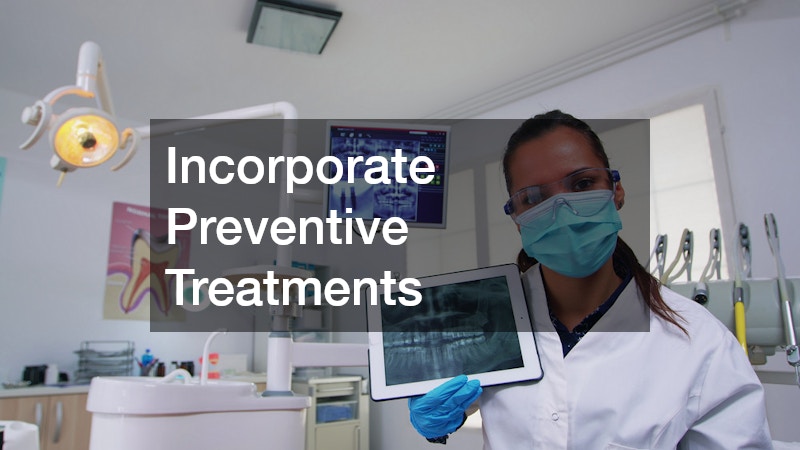
Preventive treatments complement daily routines by providing additional protection against decay and gum disease. Sealants, fluoride treatments, and routine screenings are highly effective in maintaining oral wellness.
Restorative dentists provide treatments that not only repair damage but also prevent further deterioration. Cosmetic dentists monitor the aesthetic impact of preventive care, ensuring a healthy and visually appealing smile.
Preventive measures to consider:
- Apply fluoride varnish or gel for extra enamel protection.
- Consider dental sealants for children and adults prone to cavities.
- Schedule regular X-rays and exams to detect hidden issues.
- Maintain consistent follow-up treatments as advised by your dental provider.
- Use professional whitening or cleaning procedures sparingly to prevent enamel wear.
Integrating these treatments into your oral care routine provides a proactive approach to dental health. Preventive interventions reduce the need for extensive restorative work in the future and maintain both function and appearance.
Understand the Role of Specialty Services
Some oral health concerns require the expertise of specialized professionals. Specialty dental services address conditions beyond routine care, such as complex gum disease, jaw alignment, or implant placement.
Dental implant services restore function and aesthetics when teeth are missing, while other specialty services manage chronic or structural issues. Understanding when to seek specialized care ensures that preventive measures remain effective.
Actionable tips:
- Consult a periodontist, orthodontist, or endodontist for specific concerns.
- Follow recommended treatment plans to prevent deterioration.
- Schedule follow-ups to monitor outcomes and prevent complications.
- Combine specialist guidance with routine care for comprehensive protection.
- Educate yourself about the benefits and limitations of specialized procedures.
Specialty services complement everyday care by addressing high-risk issues and supporting long-term oral wellness. Early intervention with specialists can prevent emergencies and extensive restorative treatments later.
Maintain Oral Health Habits at Home
Daily routines play a significant role in maintaining oral wellness. Beyond brushing and flossing, additional habits contribute to gum health, fresh breath, and overall dental stability.
Local dental care and local dentistry providers often emphasize home habits as the foundation of preventive care. Small, consistent efforts have a cumulative effect over time.
Practical at-home habits include:
- Use therapeutic mouth rinses to reduce bacteria and strengthen enamel.
- Clean your tongue to minimize odor and bacterial buildup.
- Chew sugar-free gum to stimulate saliva and neutralize acids.
- Avoid smoking and excessive alcohol consumption.
- Maintain a consistent routine, making oral care a daily priority.
By establishing these habits, you create an environment in your mouth that supports natural defenses against decay and infection, complementing professional preventive care.
Educate Yourself About Dental Health
Knowledge is a powerful tool for preventive care. Understanding oral health practices, products, and warning signs allows you to make informed decisions that protect your teeth and gums.
Local dental offices often provide educational resources, while emergency dental services can guide patients on urgent care scenarios. Staying informed helps you prevent complications and reduces the likelihood of unnecessary procedures.
Ways to educate yourself:
- Attend workshops or seminars offered by your local dental office.
- Research reputable sources for updates on oral health products and techniques.
- Learn the signs of dental emergencies to respond promptly.
- Ask your dentist for personalized recommendations based on your risk factors.
- Stay aware of new treatments, materials, and preventive strategies.
Education empowers you to take proactive steps, ensuring that preventive measures are effective and tailored to your specific needs.
Maintaining overall oral wellness requires a thoughtful combination of daily habits, professional care, and informed decision-making. Preventive practices not only reduce the risk of cavities, gum disease, and other dental problems but also support long-term function, comfort, and appearance. A healthy mouth contributes to better nutrition, clearer speech, and greater confidence, highlighting that oral wellness is about far more than just aesthetics.
By brushing and flossing consistently, scheduling regular check-ups, maintaining a balanced diet, protecting teeth from trauma, and addressing issues promptly, you establish a strong foundation for oral health. Optimizing your oral care tools, incorporating preventive treatments like sealants or fluoride, understanding the value of specialty services, and staying informed about the latest dental advancements further enhance your ability to maintain a healthy smile. These actions work together to prevent small problems from escalating into more serious and costly concerns.
Consistency, vigilance, and proactive care are the keys to enjoying a lifetime of oral wellness. Taking even small, deliberate steps each day—such as using the right toothbrush, monitoring dietary habits, or promptly consulting a dental professional for concerns—can make a significant difference over time. Ultimately, the strategies outlined in this article provide a roadmap to protecting your teeth and gums while promoting overall health. By embracing these practices, you can enjoy strong teeth, resilient gums, and confidence in your smile for years to come, knowing that you are investing in both your oral health and overall well-being.